
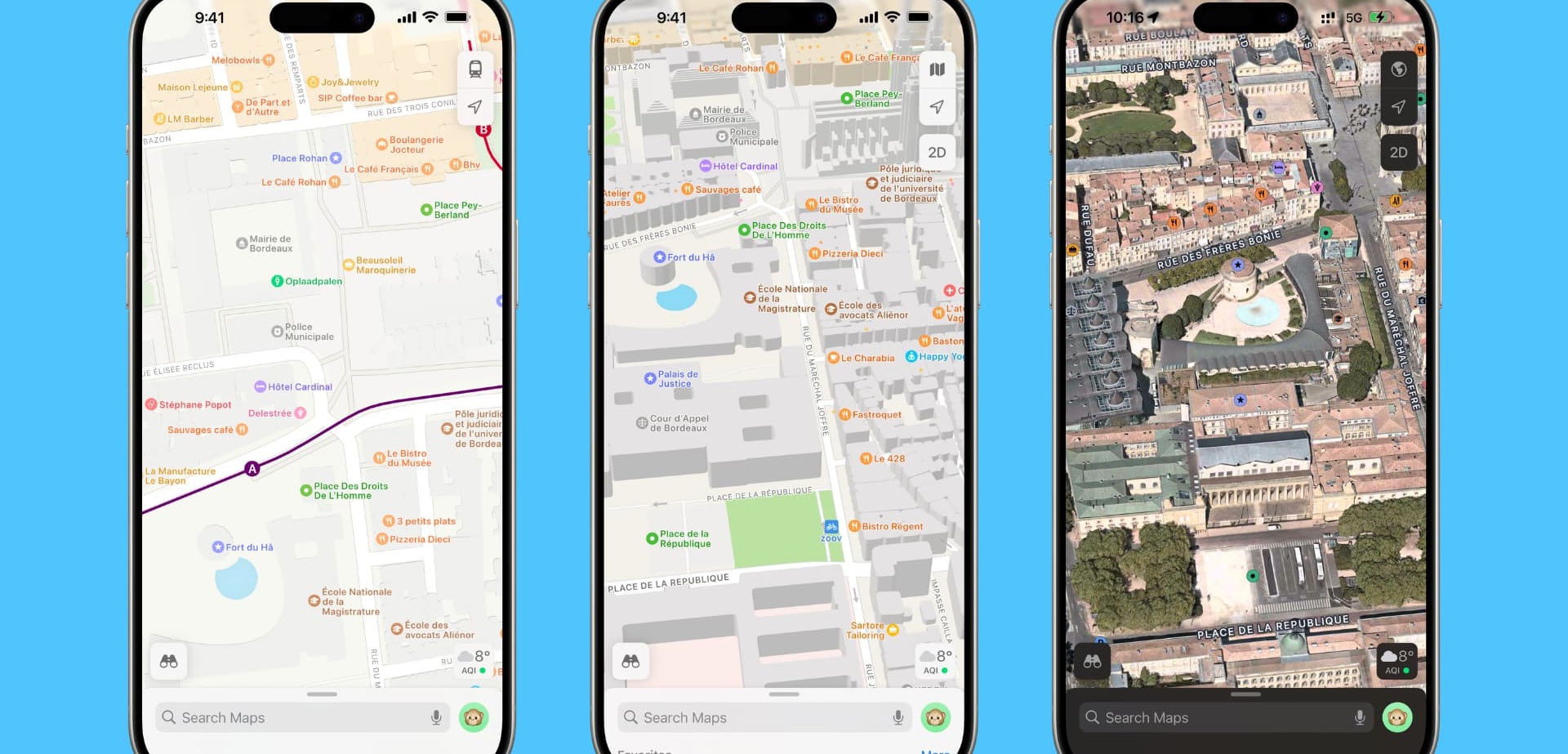
The European Commission has forced apples to open up distribution and interconnection in most European countries, and its regulatory focus may now shift to apple map services. The Digital Markets Act (DMA), adopted by the EU at the end of 2022, aims to prevent large enterprises from abusing market power and to create a level playing field for emerging firms and careful competitors. The Act introduced a new “doorkeeper” regulation, setting the criteria for determining whether an enterprise meets the regulatory threshold.

At the end of 2023, the European Commission designated six technology giants as “gatekeepers” — including Apple — and requested them to complete compliance corrections by March 2024. However, the regulator was only targeting services that met specific criteria such as the number of users, including the WebKit browser engine (which had been used by third party iOS browsers) for apples such as App Store, Apple Pay and Safari. This decision prompted the apples to make major adjustments in the EU: to change the App Store fee structure, to allow alternative application shops, to open NFC payment lines and to allow developers to create an autonomous browser engine for iPhone. The “gatekeeper” of the European Union found subtle, as the new regulations initially applied only to iPhone, and it was only a few months before the European Commission concluded that iPad, although “not meeting the standard threshold”, should be regulated. The former EU Commissioner for Competition, Vistag, explained that because iPad was “an important portal for enterprises to reach their customers”. Although many apple services had not previously received European Union attention, apple maps have now triggered regulatory vigilance across critical red lines. According to Reuters, Apple has just informed the European Commission that its monthly active users of Map Services have crossed the 45 million “gatekeepers” threshold set by DMA, and the Apple Advertising Service has met the same standard.
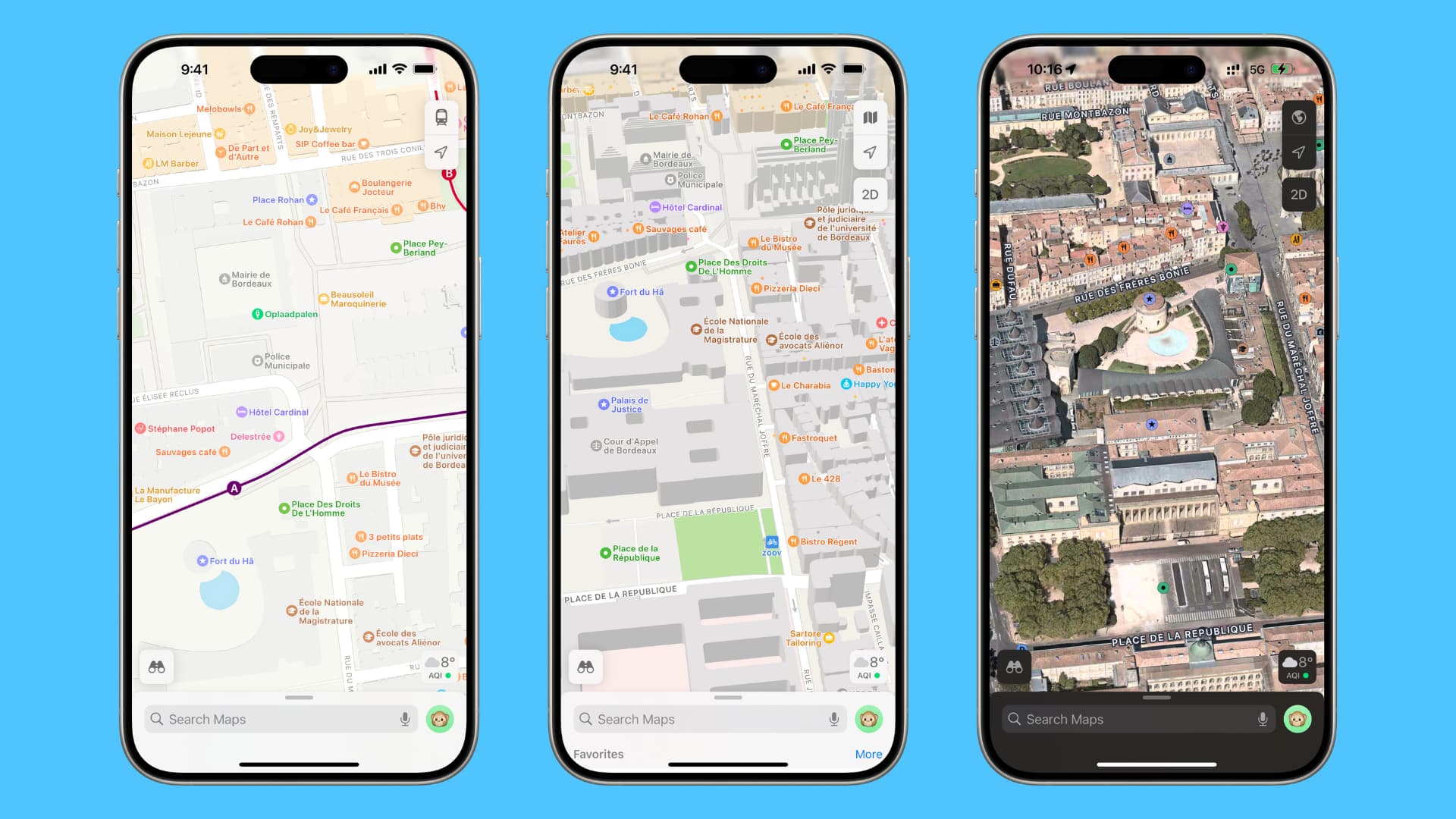
This does not mean that Apple Maps and Advertising Services will automatically be designated as “doorkeepers” — a decision still to be taken by the European Commission, as it did when its initial list was issued in September 2023. Under the terms of the DMA, the Commission has 45 working days after notification to decide whether to mark a service or enterprise as a “doorkeeper”. If it is found to be in compliance, the apple will receive a full six-month change. DMA apples are being actively challenged at many levels, and a formal defence has been raised as to why apple maps and advertising services should not be considered “doorkeepers”. It is almost absurd to view apple advertising as anti-competitive compared to advertising giants such as Google and Meta. Apple ads are only side industries and apples are so argued, but apple maps are more complex. Apple claims that its usage in the EU is much lower than that of Apple Maps and Waze, and Reuters points to its lack of “functional features that can connect commercial and end-users more directly”.
In the event that the apple map is ultimately under DMA control, the specific requirements for the overhaul are not clear. Although apples have added default navigation applications to the EU users in iOS 18.4, they may be required to ensure that third-party developers have the same iOS interface as apple maps and allow for more deep integration into apple map ecology.