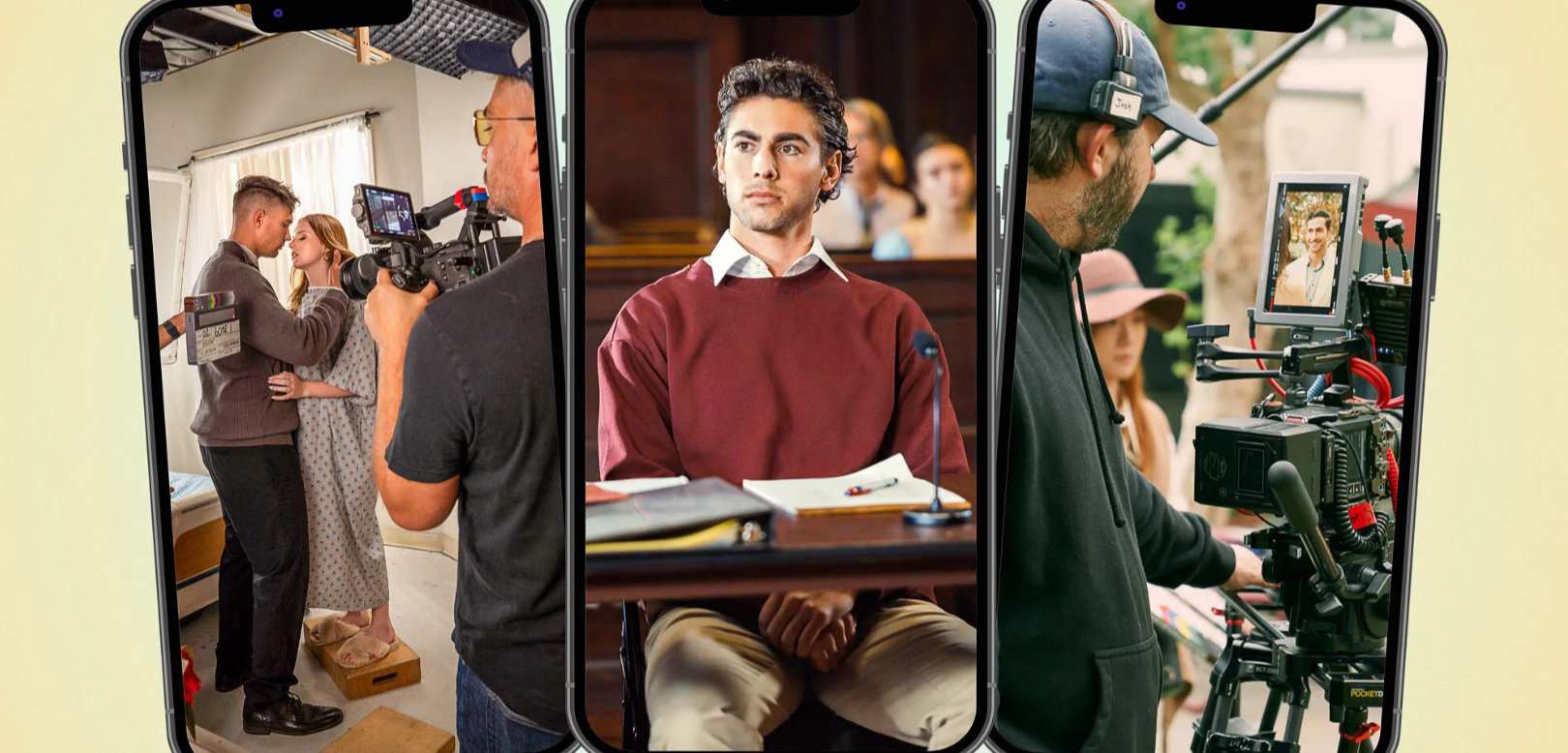
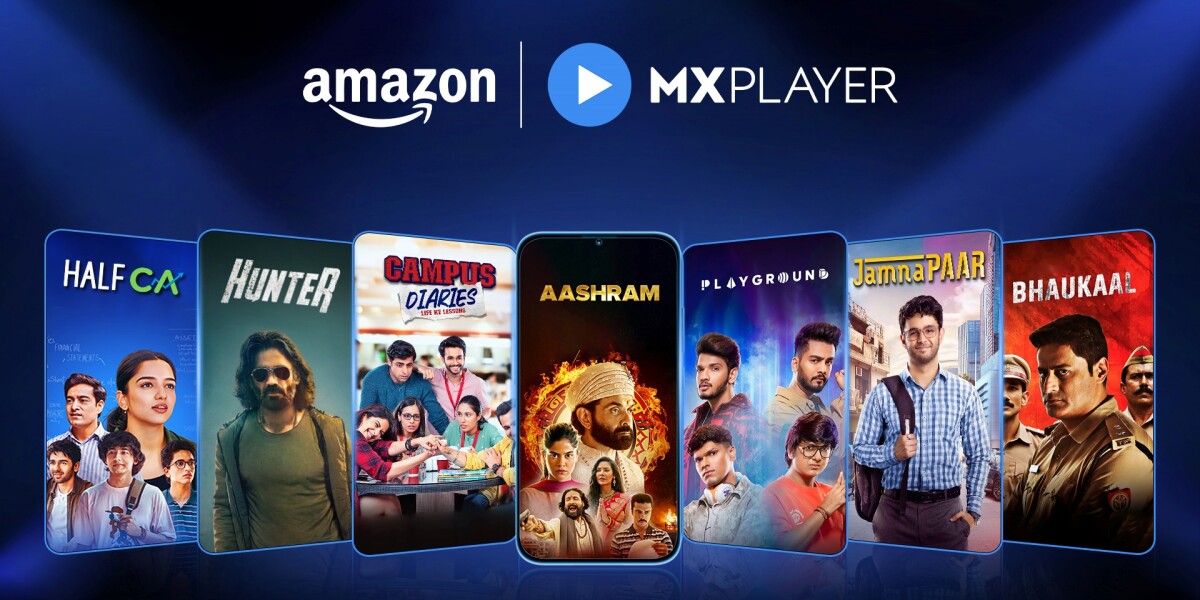
In recent years, with one-to-five minutes of tight narratives and fragmented consumption, the micro-temporaries have begun to become a multi-billion-dollar industry on short notice. The unstoppable nature of the micro-fellow has forced mainstream platforms such as MX Player and Zee in the Amazon, and brands have begun to test for advertising.
In overseas markets, the commercialization of micro-short plays is still at an early stage. According to Rajat Agrawal, Chief Operator of the Ultra Media Group, India, “advertisers, despite their growing interest, still view them as experimental channels rather than mainstream choices”. The cost of the current micro-short show (CPM) is only Rs. 1000-2000 (approximately RMB 82-164), with a significant difference of Rs. 2000-4000 (US$ 164-327) compared to the short video of Netflix and Disney.
Faced with the current state of advertising revenues, the platform is testing multiple realization pathways such as subscriptions, micropayments, advertising support models and product implantation. “The pattern of subscriptions is strong,” Rajat Agrawal states, “some platforms charge small fees as set, while others use pre-advertisement or acceleration of product implantation”.
Manohar Singh Charan, Chief Finance Officer, ShareChat & Moj, stated that his Glucon-D brand activity had reached 206 million players, with 48,000 videos generated by users and an interactive rate of 14.4 per cent.

Industry is at risk of oversaturation and modularization.Pulp Strategy’s founder Ambika Sharma warns: “If all brands use template content, aesthetic fatigue will occur quickly.” Yasin Hamidani, director of Media Care Brand Solutions, expressed the same concern: “The influx of brands may lead to content homogenization and loss of users.”
Sustainability ultimately depends on user behaviour, with 900 million Internet users (mostly at the mobile end) in India watching the video 2.3 hours a day, creating billions of dollars in markets even with a small fraction of the attention diverted. “India is at a turning point,” said Nahush Gulawani, co-founder of the Indian media organization Wit & Chai Group, “Just like the face bag becomes a cultural currency and the micro-fellow is expected to become the dominant trend.”
Data also confirm the potential of micro-short dramas, with an average of 120 million daily short-times viewed by ShareChat and Moj platforms, with 20 million users. The number of single-day video broadcasts by Moj alone reached 6 billion, with users using a daily average of over 30 minutes. “We are witnessing a micro-short drama to reshape India’s digital entertainment, ” Manohar Singh Charan says, “This is a fundamental change in the way stories are consumed.”

The recent launch by India ‘ s media giant, Zee, of a micro-short play exclusive application, Bullet, within its Zee5 ecology, marked the formal acceptance of the media by mainstream OTT. Analysts predict that the global market for micro-short dramas will exceed $10 billion by 2030, and India is expected to occupy half of the mountain.
The core strength of the micro-short play lies in its extreme plasticity, and for the creators, “the micro-short show is not just a fragmentary content, but a completely new narrative language”, as Nahush Gulawani explains, “The long play takes hours to build a character arc, and the micro-short play takes seconds to complete, closer to poetry rather than profane creation”.
Despite the challenges, industry is generally optimistic about the future. The founder of Terribly Tiny Tales, Anuj Gosalia, asserted: “Just as a film finds its place in a cinema, a micro-short play will remain in the digital content economy forever.” The creators have opened their minds: a series of stories, superhero comedy is pouring into the field.
The expert predicts that games will become a new trend — where viewers will earn money by viewing free content to unlock paid short plays.