
The voting process on the bill proposed by the Brazilian Parliament to double the lottery tax has again been delayed and no date has yet been set for subsequent consideration. Following the failure of the interim measure to raise the tax rate from 12 per cent to 18 per cent, the Brazilian Government proposed, in October, a new programme to increase the current gross lottery income tax to 24 per cent.

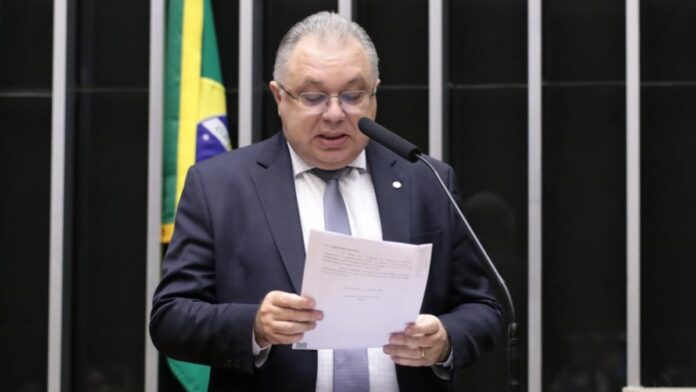
The initial vote on the proposal earlier this month was postponed, while the Committee on Economic Affairs meeting scheduled for Tuesday was similarly held on hold. According to reports, the Speaker of the House of Representatives, Hugo Mota, considered that the bill did not receive sufficient support and informed the President of the Senate, David Alcorentbre, of his intention to prevent the bill from entering the voting process, which directly led to the cancellation of the meeting of the Chairman of the Economic Affairs Committee, Renan Carreros. Negotiations on the content of the bill are expected to continue and a vote may be scheduled for next week. The bill also contains provisions for a higher social contribution tax on the net profits of FST companies and other financial institutions. However, the legislative process may be lengthy, as the Economic Affairs Committee has received 172 amendments to Bill PL 5,473/2025. If the bill is passed, it will enter into the Chamber of Deputies ‘ deliberations unless there is a motion for a vote in the Senate plenary. In the face of the upcoming general elections next year, President Lula’s Government seems determined to achieve its fiscal goals by raising the lottery tax. The temporary measure previously proposed by the Government to raise the lottery tax by 50 per cent had failed and was seen by public opinion as a major setback.
In an interview with the Brazilian lottery analyst, Elvis Lorenzo, said that this had led to an ongoing and urgent attempt by the Government to raise tax rates. According to Lorenzo, the executive partner of EX7 Partners: “This is the main reason for their quick response, which was embarrassed by previous failures. This has become the subject of elections — in Brazil, where the culture of conservatism still exists, our proposal “to increase taxes on billionaires and the gaming industry” is conducive to public opinion in the current government.” Lorenzo analyses that “this setback has forced the government to throw up and down before the end of the year” and warns that doubling the current tax rate would be “crazy” and could lead to a collapse of the regulatory market system just established on 1 January this year. The unsolved policy has put operators in a business trap: If the total revenue tax rate for the lottery rises to 24 per cent, small and medium-sized brands are threatened with elimination, the business model is forced to be re-constructed without asymmetrically competitive advantages for offshore operators who do not have to bear the costs of Brazilian compliance and taxation. As 2026 approaches, legislative saw-sawing is weakening enterprise planning capacity. Despite the strong political will to raise taxes, internal divisions within Congress have left the timetable variable and the coming weeks will be key.