
Harold Ryan, who had served as Bungie CEO and promoted the trend of the Sun-ring and Destiny-led service game, said, after leaving Bungie for many years, that he had observed that the player was “voting in his wallet” and sending a clear signal to the distributor that the service model did not apply to all games.
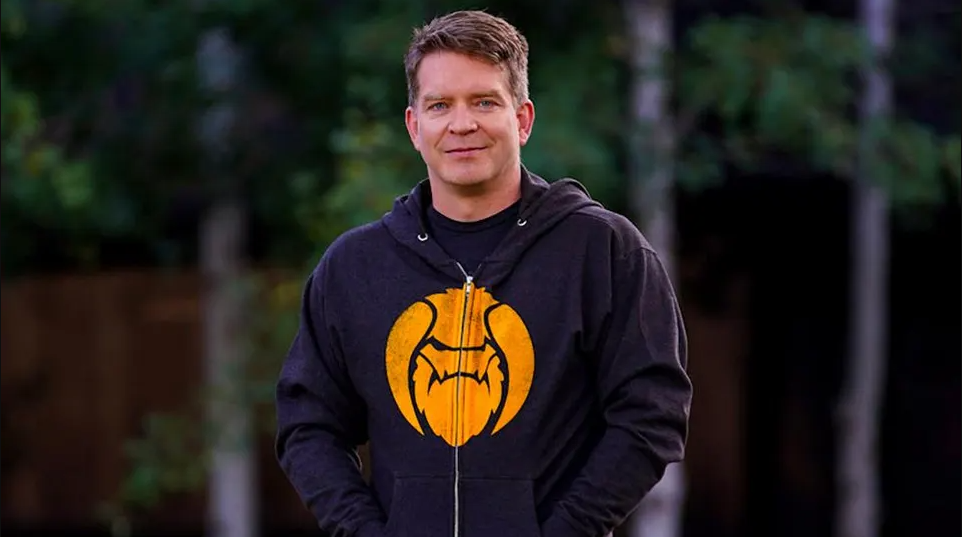
Harold Ryan.
Harold Ryan, in an interview with The Game Industry, said: “I think this model is appropriate for some games, but it does not apply to all games. And I believe that consumers are telling us that not all players buy it.”
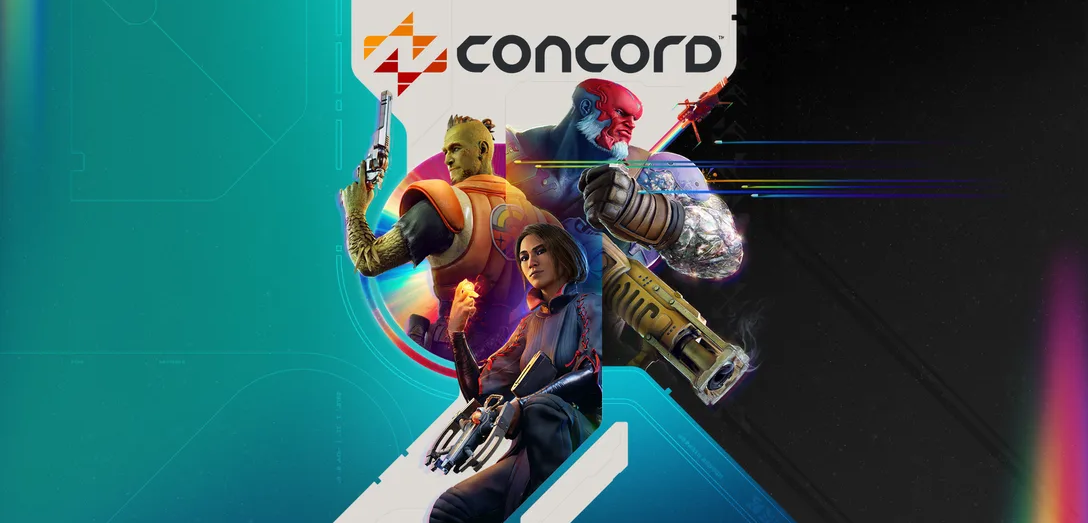
His point of view reflected the harsh reality of the current area of service games: the tide might have subsided and many of those games had to be stopped because of poor performance. The suicide squad: Kill the Alliance for Justice and Starring Special Attack are striking examples, in addition to which more games go dark.
Data suggest that the time played by players in service-type games is being monopolized by a very small number of head products, which may reveal why other same types of games are not successful. Of course, factors such as market saturation, quality of content and increased competition have also played a joint role.
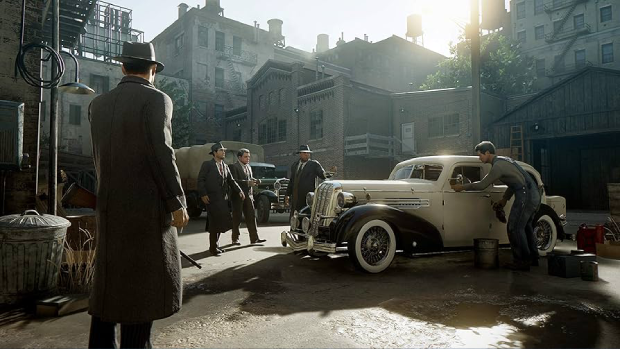
This reflection has also influenced decision-making by other issuers. For example, 2K has set its new mafia theme ” Four Sea Brothers: Homecoming ” at $50 (less than the mainstream 3A price), in part because they believe in the existence of a target group and desire to play a game that is cheaper, more linear and does not require much time.
Harold Ryan left after 16 years in service as Bungie in 2016 and is currently CEO and founder of ProbablyMonsters. The company aims to assist developers in building “early infrastructure” and to provide support for the start-up of the game project. The company recently released its first two games: the Rogue action game of Switch in Nintendo, “Storm Lancers ” and the psycho-terror game of the PC platform “Ire: A Prologue ” .
It is noteworthy that Firewalk Studios, the developer of the Starming Attack, was a workroom under the banner of Probably Monsters before his acquisition by Sony in 2023. It is ironic, however, that after the unprecedented Waterloo of the Starings, Sony shut down the game server and dissolved Firewalk Studios.
Harold Ryan said he would still make another service game if he saw “the right game idea and the right audience”. But he is opposed to over-focusing by developers on the business model itself: “I think that for the developer’s sustainable career and for the industry as a whole, it is clear that we cannot just choose a business model and claim that this is the reason for the game.”
When it came to Bungie, Ryan was also concerned about the major changes that had taken place in recent times, including the large-scale lay-offs and the reorganization of workshops in 2024. Bungie’s next game, “Marathon” It was also a service game, and Sony believed that it would not repeat what had happened in Starring Specials.
In fact, Sony may not have allowed it to repeat its past, and Sony’s acquisition of Bungie in 2022, at $3.6 billion, was the result of his years of plowing in multi-person service games, thereby broadening his business in the area of service games. The issuance of the marathon, scheduled for September, has been postponed indefinitely. Despite the defeat of the Starming Special Attack, giants such as Sony and Jubei continued to bet on service-type games.
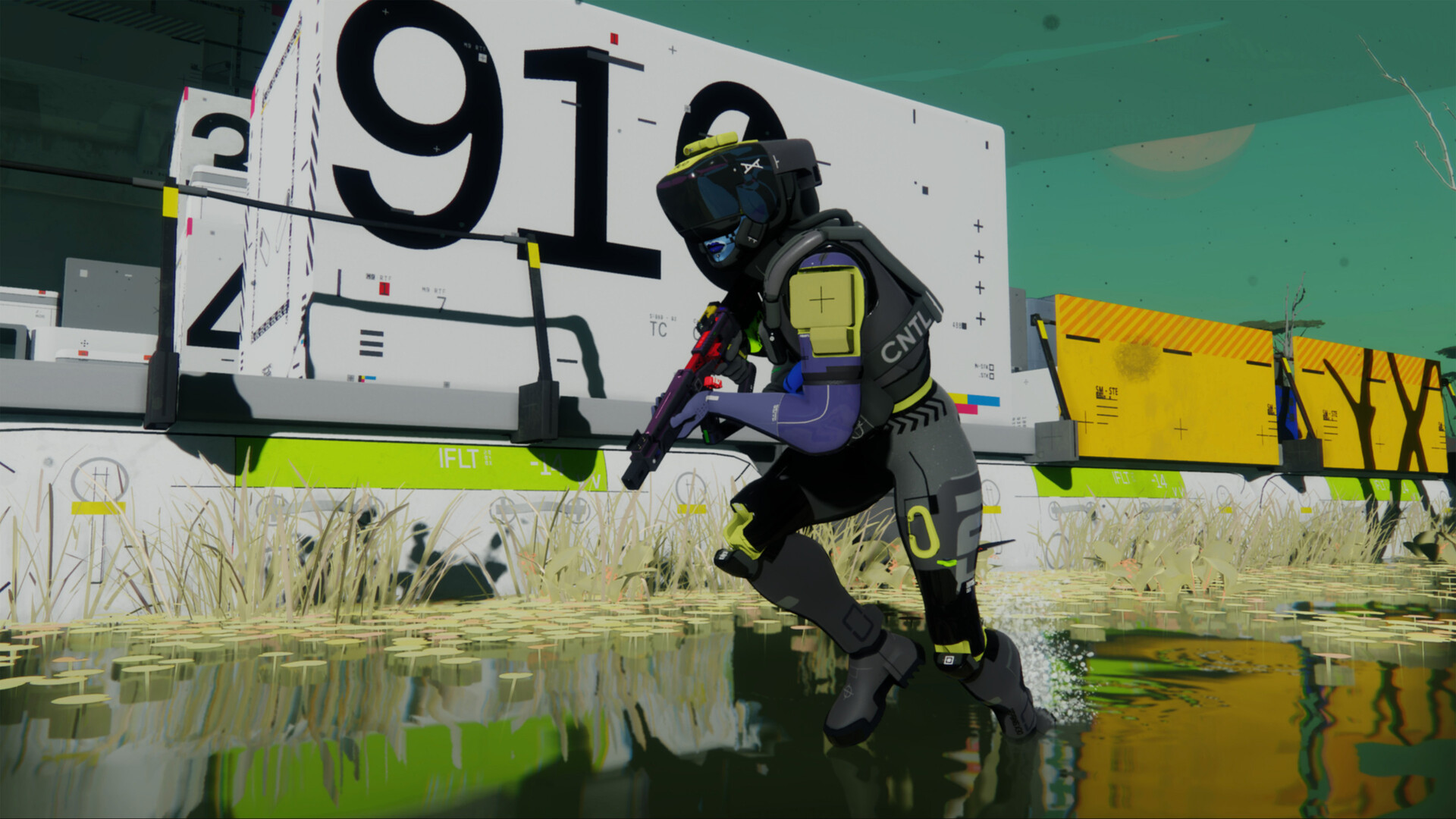
Harold Ryan reflects on the turmoil that Bungie and the whole industry face: “It’s like they’re in a situation that almost the whole industry is facing: I don’t know. What worked and was reliable in the past has now become less reliable.”
Harold Ryan also expressed his expectation that developers across the industry would find a “sustainable business model” for their game that would satisfy the player and generate sufficient income to sustain the studio operation. “No one can be the first successful game of the industry”, he stressed, “But I think we can all make a successful game.”
This explains the need to return to the nature of the game industry after the heat of service games: to respect the diversity of players ‘ needs, to explore diversified business models and to pursue success in a broader sense, rather than blindly pursuing a single wind. The player’s wallet casts a negative vote, which is an opportunity for industry to reflect and transform.